
You flag them
The walkthrough asks directly which surfaces need care, because you know and we do not. Anything you name is recorded, and anything you want untouched stays untouched.
Serving Coon Rapids, Minnesota & surrounding areas
Mon–Fri 8am–6pm Sat 9am–2pm
Some surfaces cannot take a standard product or a standard pad, and only the person who owns them knows which. A cleaning crew that asks first is the difference between a clean surface and a damaged one.
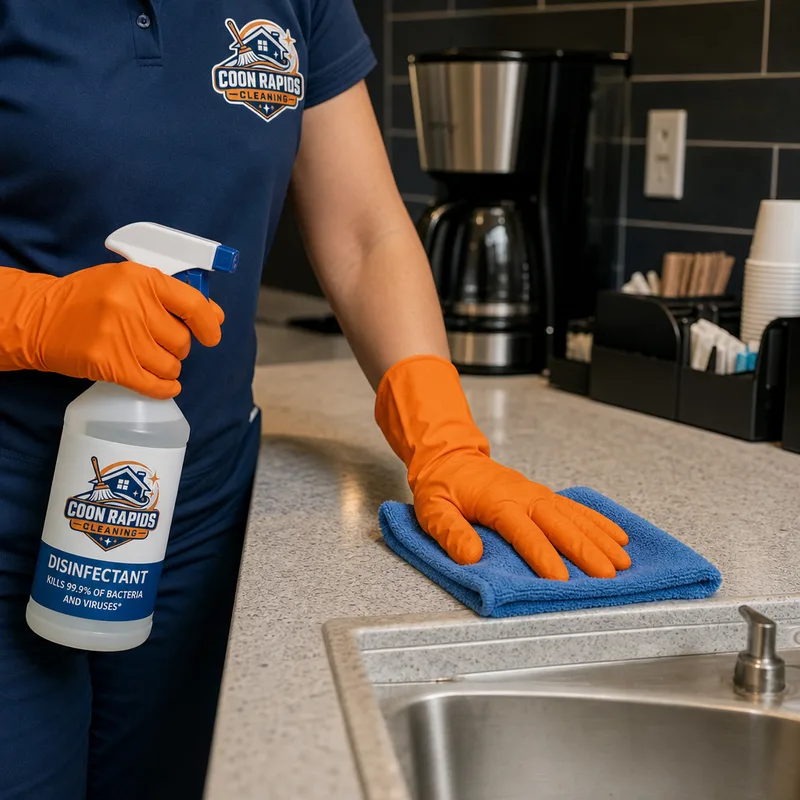
Delicate surfaces
Flagged by you, in writing
Method
Matched to the material
Unknowns
Asked, not assumed
Most of a property takes whatever a competent crew would normally use. A handful of things do not, and the damage from getting that wrong is permanent in a way that dirt never is: a dulled finish, a bleached patch, a stripped sealer, a scratched glaze. None of it comes back.
The people who know which surfaces those are already live or work there. So the question gets asked at the walkthrough rather than guessed at on the day, written into the scope, and treated as a standing instruction instead of something the crew remembers if the same person turns up.
Where a surface is genuinely unclear, the sensible move is to test a small out-of-sight area and look before committing, or to leave it and ask. Our office sits on Northdale Blvd NW in Coon Rapids, so an Anoka property can have that conversation in person before anything starts.
None of this slows a visit down much. It is mostly a matter of knowing in advance which surfaces are not ordinary, and having that written where the crew will see it.
A test patch is the honest answer to an unknown surface. Somewhere out of sight, the mildest method first, then a look before going further. It takes a few minutes and it is the only way to find out without the finding out being visible from the doorway.
The instruction has to outlive the conversation. Written into the scope, it reaches whoever is on the visit, including somebody covering an absence who was never told in person. A verbal warning given once protects a surface only while the same crew keeps coming.
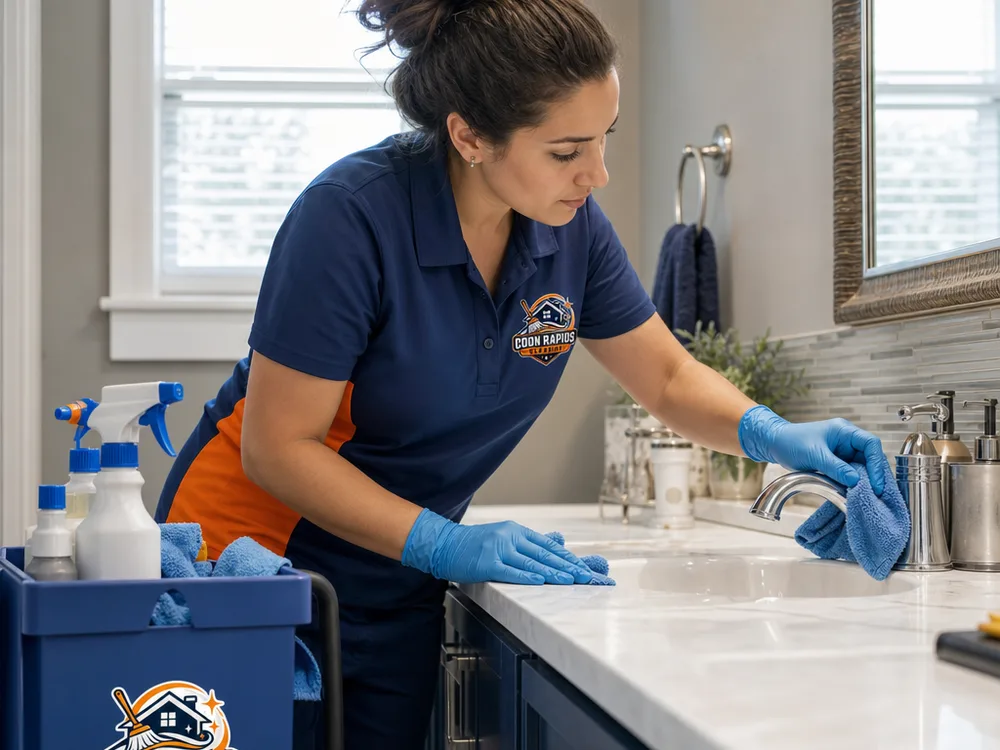
Careful handling is a habit rather than a service: asking which surfaces need it, picking the method the material wants, testing what is unclear, saying what went wrong, and writing it all down.
The walkthrough asks directly which surfaces need care, because you know and we do not. Anything you name is recorded, and anything you want untouched stays untouched.
The material decides the approach: how wet, how much pressure, which pad, which cleaner. Choosing that correctly matters more than any particular bottle on the shelf.
Where a surface is unclear, a small hidden area gets the mildest method first and a proper look before anything continues. Unknowns are tested rather than guessed at.
A loose fitting, a failing seal, or a surface already damaged gets pointed out rather than quietly worked around. You would rather know, and finding out later is worse.
Surface instructions live in the scope, so they apply on every visit regardless of who is working. A standing instruction survives staff changes; a verbal one does not.
Settling this takes one conversation at the property and then stays settled, because the instructions go into the written scope instead of into somebody's memory.
Request a CallbackGoing area by area through the property, we ask and you point out what needs care, what has been damaged before, and what is simply not to be touched.
Each flagged surface gets its handling noted in the scope, along with the leave alone list, in language that makes sense to somebody seeing the property for the first time.
Where neither of us is certain about a material, a small hidden area is tested with the mildest method and looked at properly before that approach goes any further.
New furniture, a refinished floor, or a repair changes the instructions. The document is updated when you tell us, which is easier than hoping the crew notices a difference.
The ordinary things decide it: property size, how many bathrooms or restrooms, the floor and surface types, how much detail work you want, and how often a crew comes. Careful handling of a flagged surface is part of doing the job properly, not a surcharge.
Where something genuinely needs specialist restoration rather than cleaning, that is a different trade and we will say so instead of attempting it. Refinishing a damaged floor or restoring a failing sealer gets quoted separately, or referred, after somebody has looked at it.
Careful work is ordinary cleaning with the method matched to the material: how wet, how much pressure, which pad, and which cleaner, decided before anything touches a surface.
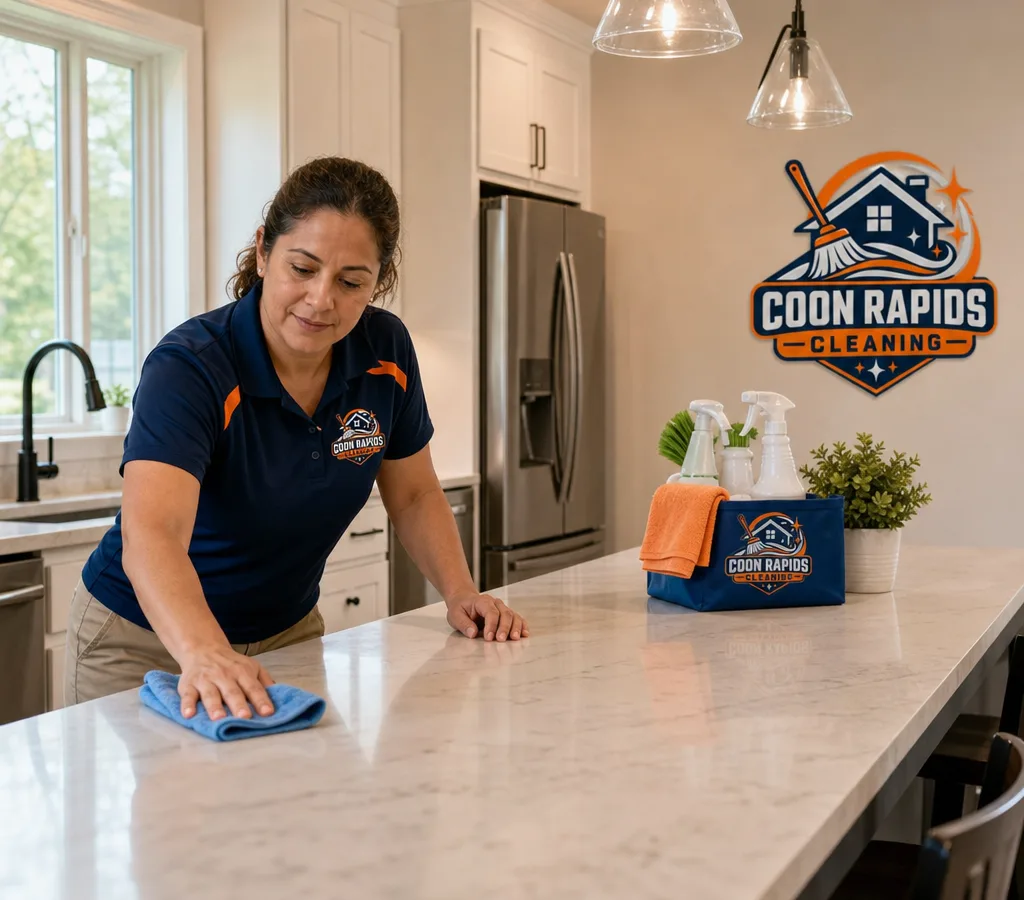
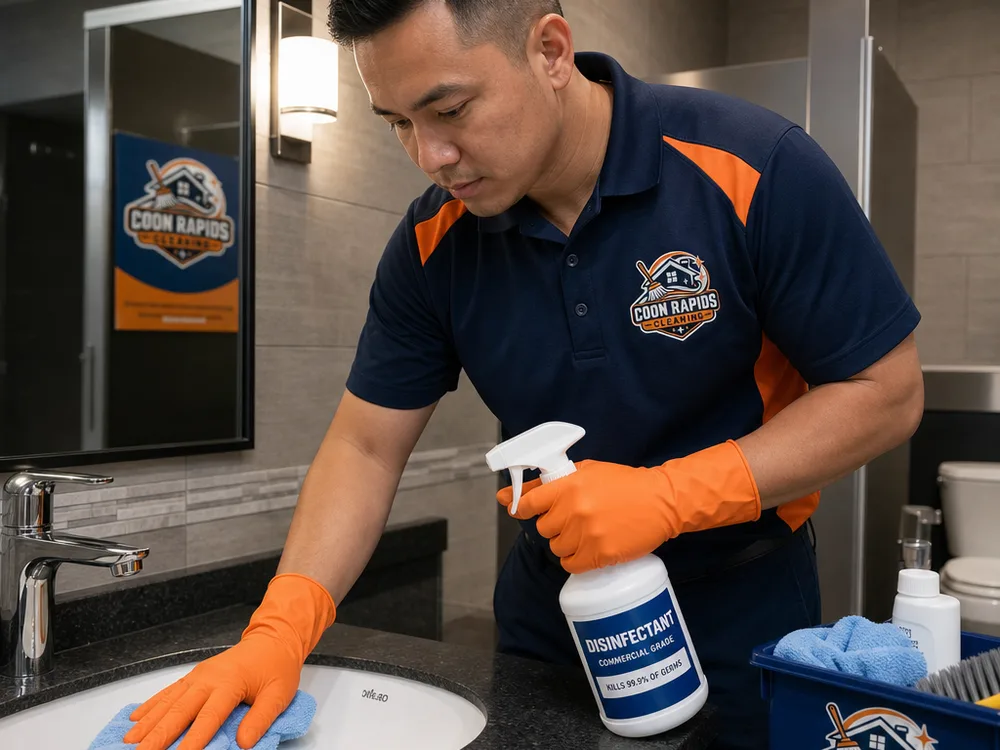
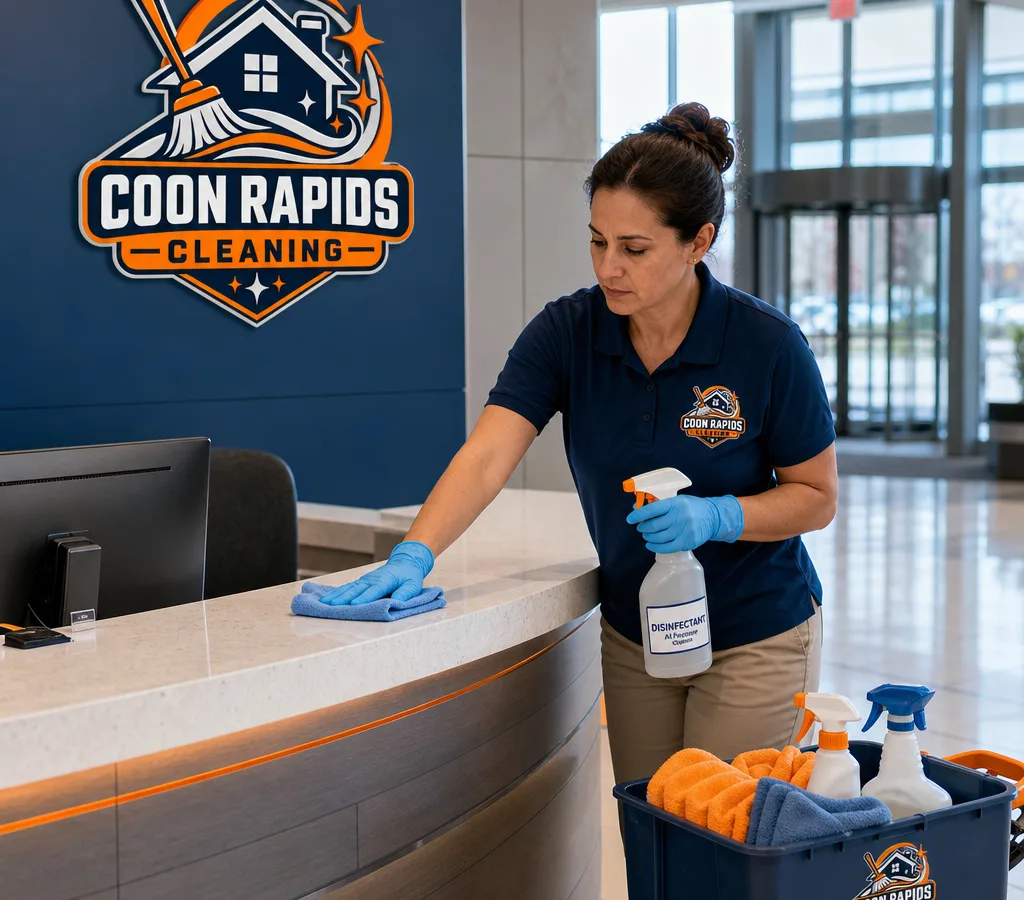
Damage from the wrong product does not come out again, which is why these questions are worth asking before a crew starts rather than after.
You tell us, at the walkthrough. The person who lives or works with a surface knows its history, and we do not. Everything you flag is written into the scope as a standing instruction, so it applies on every visit rather than depending on who happens to be working that day.
Then it gets tested rather than guessed. A small out-of-sight area, the mildest method first, and a proper look before going any further. Where the result is still unclear, we leave it and ask rather than continuing, because the damage from being wrong does not come out again.
Yes, with the method the material needs: pH neutral products rather than anything acidic on stone that can etch, and damp rather than wet on finished wood with water kept away from joints. The sealer and the finish are what we are protecting, not just the appearance.
You hear about it from us. A crew that hides a mark guarantees you find it later and trust nothing afterward. Anything already damaged or failing is also pointed out at the start, so a pre-existing problem is on the record before anybody works around it.
No. Matching the method to the material is part of cleaning a property properly rather than an upgrade. What does get quoted separately is actual restoration work, like refinishing a floor or dealing with a failed sealer, because that is a different job from cleaning.
Yes, because the instructions are in the written scope rather than in a conversation. That is the entire reason for writing them down. Somebody covering an absence reads the same document, including the leave alone list, before working in the property.
Walk us round and point out what needs care or should be left alone. It goes into the written scope and applies on every visit, whoever is on the crew that day.
Request a quote
Send the details and we will come back with a written scope and a price.