
The handoff date rules
Everything is scheduled backward from the day you hand the space over. In practice that puts the detail work as late as possible, with a short pass held in reserve for the morning of the walkthrough.
Serving Coon Rapids, Minnesota & surrounding areas
Mon–Fri 8am–6pm Sat 9am–2pm
Construction dust keeps settling for days after the tools are gone, which is why one wipe-down almost never survives a final walkthrough. The clean is staged in passes so the space is ready on your handoff date.
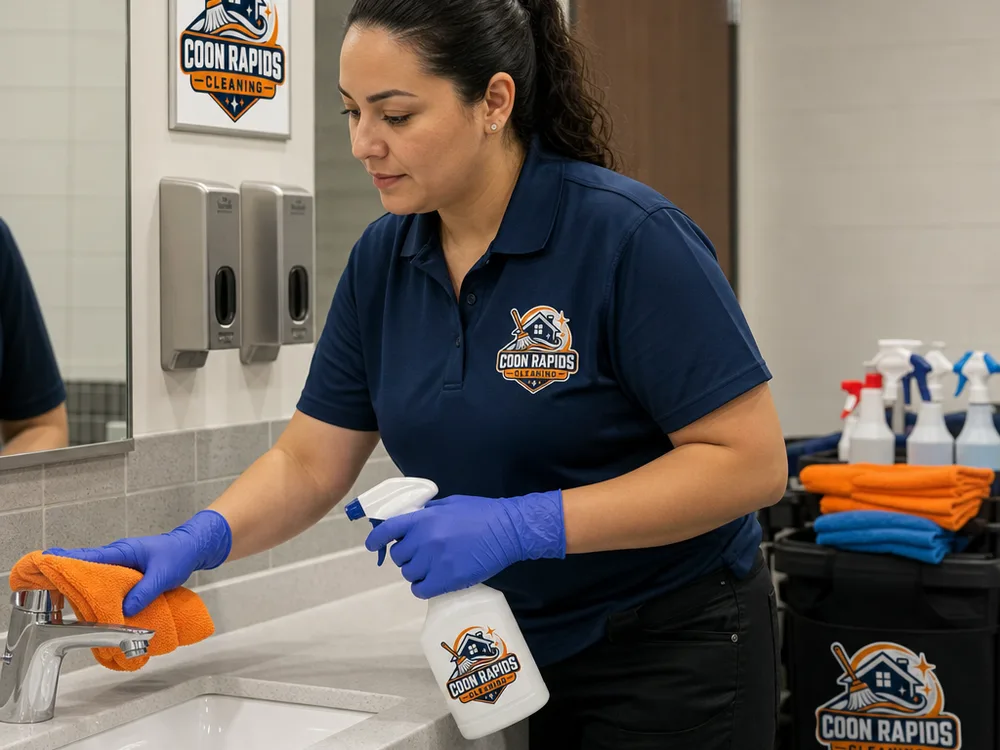
Staged by phase
Rough, final, and touch-up passes
Built to a date
Scheduled against your handoff
Trade coordination
Planned around the crews still finishing
Post-construction cleaning is governed by a date and by physics. Fine drywall and concrete dust stays airborne long after the last cut, settles out of the air overnight, and reappears on surfaces that were spotless when a crew left, so one cleaning pass rarely survives a punch list.
The answer to that is staging. A rough clean clears bulk debris and heavy dust while trades are still finishing, the final clean details every surface once the work is genuinely complete, and a touch-up pass just before the walkthrough catches whatever settled in between the two.
Renovation work in Coon Rapids runs on tight handoff dates, whether that is a tenant improvement opening on schedule or a family moving back into a kitchen. We schedule against the date, including an evening or weekend pass when the trades only clear out the night before.
Scope changes with the phase, so a post-construction quote has to say which pass is being bought and what condition the space will be in once that pass ends.
Some things sit outside this service, and saying so early prevents a problem on handoff day. Crews do not perform demolition, carry out construction debris that needs a dumpster run, or pull down protection a trade still needs in place. Hauling and container work is arranged and quoted separately.
Minnesota weather affects the final pass more than people expect. A winter handoff means grit and meltwater coming in through the door the trades are still using, so the entry and the path to the work area are cleaned last, once that traffic has actually stopped for good.
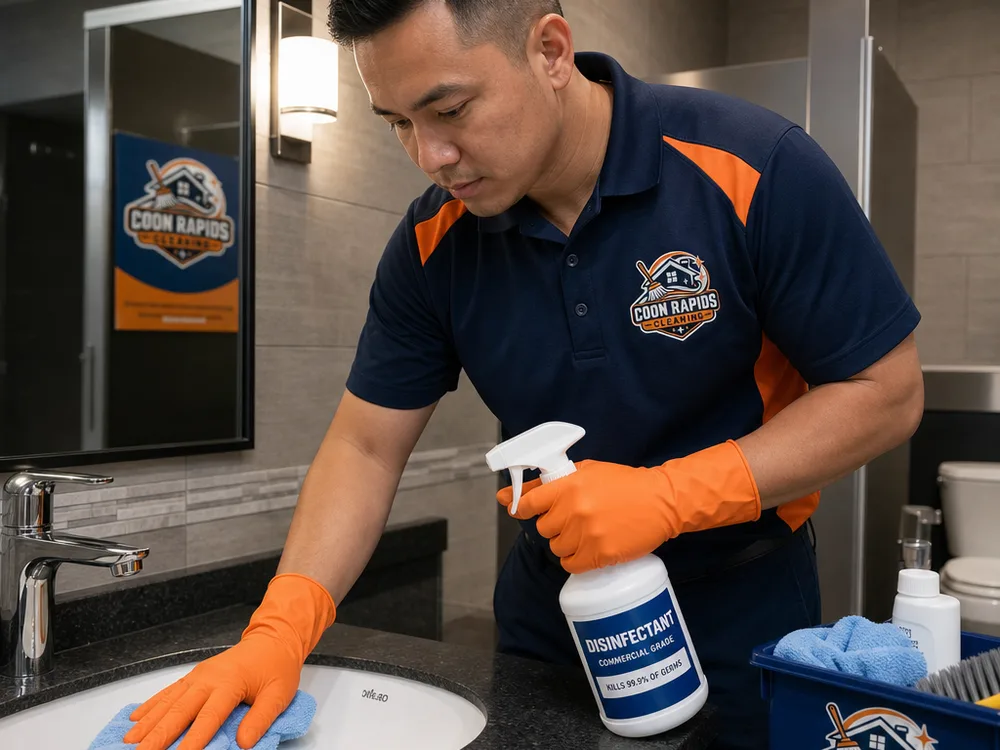
A construction clean is judged at the walkthrough, not while it is happening. What governs it is the handoff date, dust that keeps settling, the order of vacuuming and wiping, fragile new finishes, and the punch list.
Everything is scheduled backward from the day you hand the space over. In practice that puts the detail work as late as possible, with a short pass held in reserve for the morning of the walkthrough.
Airborne dust takes time to fall, so cleaning a room while sanding continues upstairs wastes the pass. We work around the trades still going and detail the areas that are genuinely finished.
Construction dust is abrasive, and wiping it drags grit across new paint, new glass, and new finishes. Surfaces get vacuumed with a filtered machine first, which also keeps that dust out of the air.
New flooring, fresh paint, and new glazing all scratch easily and carry their own cleaning requirements. We ask what was installed and follow its rules rather than reaching for the strongest product.
A re-clean after the punch list is normal, because a touch-up by a trade makes new dust. That final pass is scoped into the plan so it never becomes an argument on the day of the handoff.
Construction cleaning is booked in phases because dust keeps arriving while trades finish. Each phase has its own purpose, and a pass after the walkthrough catches whatever settled since.
Request a CallbackWhile trades are still finishing, we clear bulk debris, vacuum heavy dust off floors and ledges, and get the space workable so the remaining crews are not fighting their own mess.
Once the work is genuinely complete, every surface is detailed: glass, frames, fixtures, cabinet interiors, hardware, and floors cleaned to the requirements of the new material.
We walk it with the contractor or the owner under working lights, because dust film and adhesive residue on new glass only show at certain angles and in certain light.
Just before handoff, a short pass clears whatever has settled since the final clean, plus anything the punch list work created. That pass is what the walkthrough actually sees.
Post-construction pricing depends on how many passes you need and how much dust the job threw. A renovation that was sealed off well behind plastic cleans faster than one where sanding ran open through a finished building, regardless of the area involved in either case.
The other variables are the finishes, the glass area, how much adhesive and film has to come off, and whether we work normal hours or around the trades at night. We walk the site, confirm which passes are in scope, and quote in writing against them.
Post-construction work amounts to detailed ordinary cleaning, reaching floors, hallways, counters, and every horizontal surface that collected dust while the trades were working.
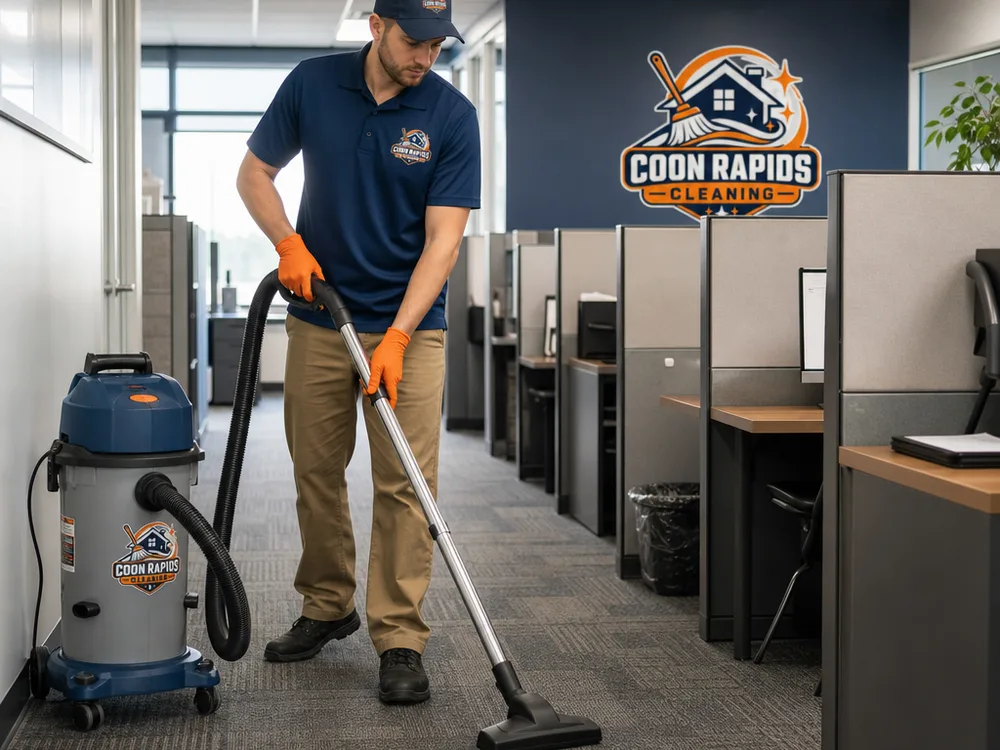
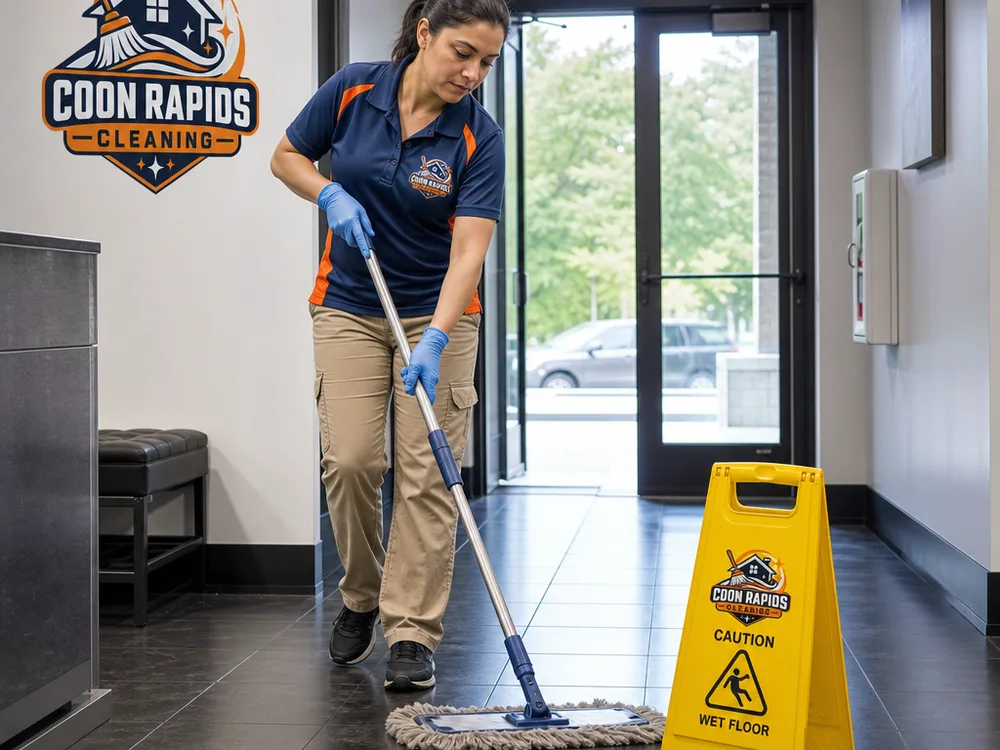
General contractors ask about sequencing before anything else, since a clean booked too early gets undone. Debris, ductwork, new finishes, and repeat visits follow.
The final clean belongs after the last dust-producing work, never before it. Book the rough clean whenever debris starts getting in the trades' way, then put the final clean as close to the handoff as the schedule allows, with a short touch-up pass on the morning of the walkthrough.
We bag and collect what the cleaning itself generates and put it in the container on site. Removing construction debris, demolition material, or anything needing a dumpster run is a separate arrangement, and we say so up front when a job needs one so nobody is surprised at the end.
Yes, and that is exactly what the rough clean is for. Detailing a finished room while sanding or cutting continues nearby is wasted effort, so we clean the completed areas, keep paths and entries clear, and hold the detail work until the dusty trades are done.
We vacuum the grilles, the registers, and the visible duct faces, and we keep filtered vacuums on the fine dust rather than pushing it back into the air. Cleaning the inside of a duct system is specialist work with its own equipment, so that gets referred instead of attempted.
Not when the sequence is right. Grit is vacuumed off before anything gets wiped, glass is cleaned after the frames and tracks are vacuumed out, and new flooring is treated according to what the installer specified. Tell us what went in and we will follow its rules.
Yes, on nearly every project. Punch list work makes new dust, and dust that was airborne during the final clean lands overnight. A short touch-up pass before the walkthrough is planned into the scope rather than sold as an extra after something has gone wrong.
Send us the project, the handoff date, and which trades are still to finish, and we will walk the site and quote the passes that get you there on time.
Request a quote
Send the details and we will come back with a written scope and a price.