
Shutdown windows
Work is planned into the window you give us: a weekend, a holiday, a maintenance shutdown, or the hours between shifts. The scope is sized to finish inside that window rather than spill into production.
Serving Coon Rapids, Minnesota & surrounding areas
Mon–Fri 8am–6pm Sat 9am–2pm
Warehouse and light manufacturing space gets dirty in ways an ordinary cleaning crew is not equipped to reach. The work runs inside your shutdown window and under the site rules your own safety program sets.
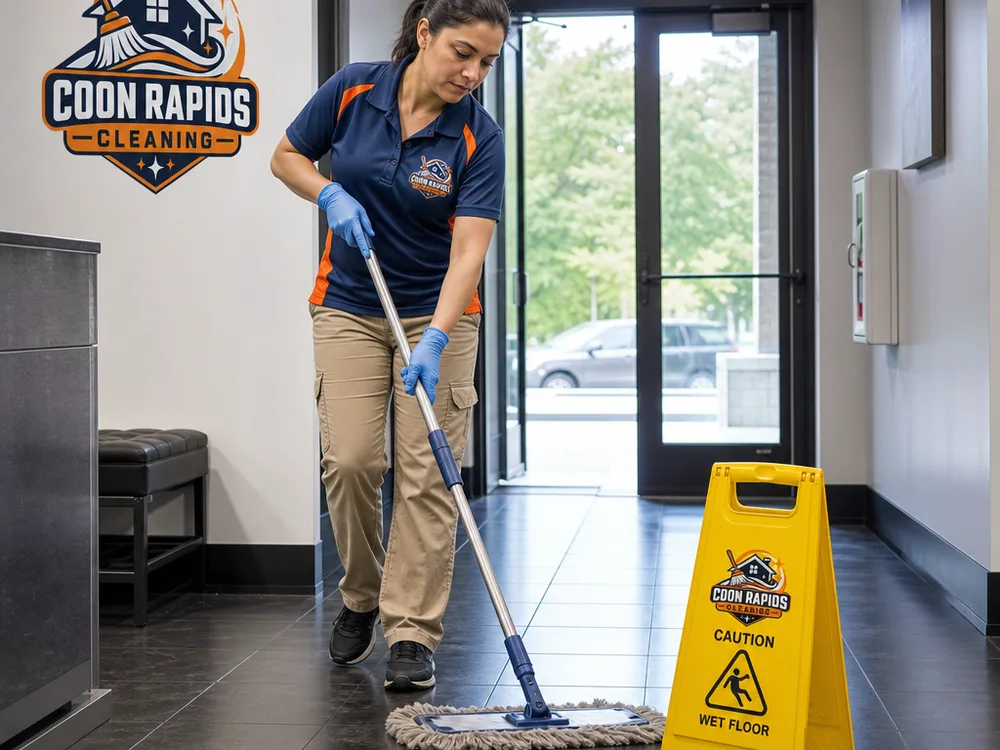
Scheduled around production
Shutdowns, weekends, and shift gaps
Your rules apply
Sign-in, escorts, and required protective gear
Surfaces, not just floors
Overhead structure, racking, and concrete
Dust in an industrial building does not stay where it lands. It settles on racking beams, pipe runs, and light fixtures, then drops onto product every time a forklift passes underneath, which is why high surfaces are the first thing we scope and the last thing most cleaning plans ever mention.
The floors are a separate problem. Sealed and unsealed concrete picks up tire marks, oil film, and ground-in grit that mopping only spreads around, so it needs scrubbing with the pad and chemistry the sealer can take, and dock plates, trench drains, and the apron outside the door need attention nobody schedules.
Coon Rapids and the northwest metro hold a lot of light manufacturing and distribution space, and much of it runs close to capacity, which means cleaning has to fit a shutdown, a weekend, or the gap between shifts. Being based in Coon Rapids is what keeps that kind of scheduling practical.
A plant scope is assembled from the areas production touches hardest, and it is written so a crew knows exactly where the line of responsibility sits before arriving.
Nothing in the scope overrides your safety program. Crews sign in the way your site requires, work under escort where you want one, wear the protective gear the area calls for, and stay out of any space your team has not cleared. Where equipment must be isolated, your people do the isolating.
Minnesota adds its own pattern to all of this. Winter pushes salt, sand, and meltwater through every dock and overhead door, and the thaw turns it into a gray film on the aisles nearest those openings, so cold-season scopes put more time on the entrances and less on the back of the building.
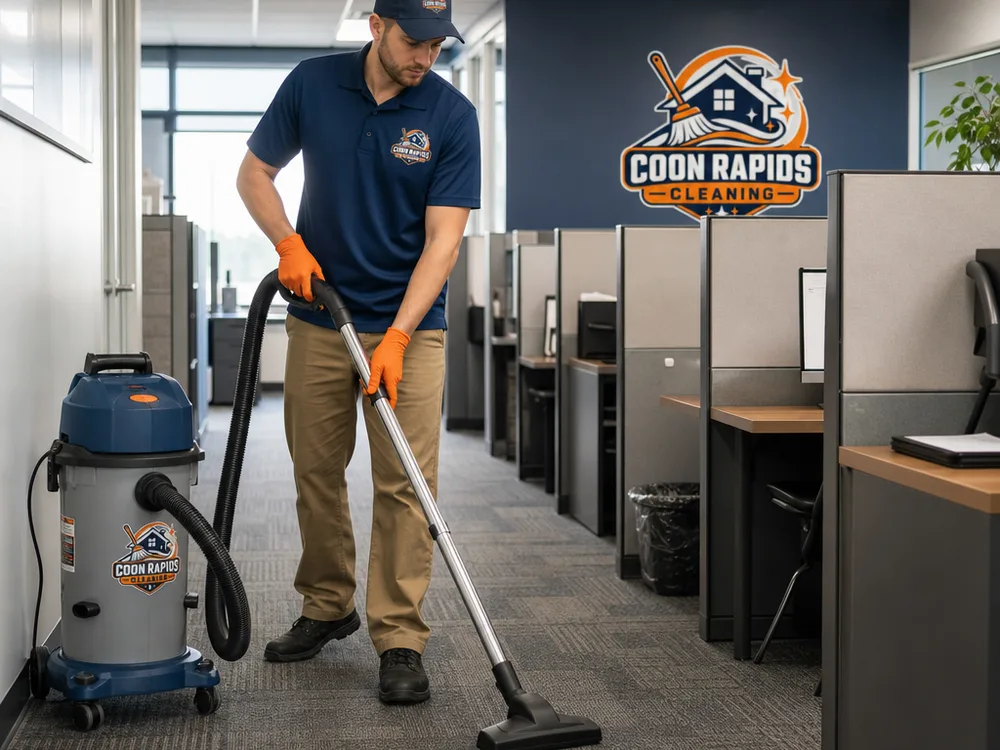
Cleaning inside a working plant is largely a coordination problem: the hours we are allowed, the rules we follow, the equipment we leave alone, the sequence the work runs in, and where your housekeeping picks up.
Work is planned into the window you give us: a weekend, a holiday, a maintenance shutdown, or the hours between shifts. The scope is sized to finish inside that window rather than spill into production.
Site orientation, sign-in, escorts, hearing and eye protection, high-visibility clothing, and restricted areas are all your call. Crews follow the site program instead of arriving with their own interpretation of it.
Crews clean around machinery, never inside it. Anything calling for isolation, guard removal, or a maintenance technician stays with your team, and our work is scheduled to happen after that step is finished.
Overhead dust comes off before the concrete is scrubbed, because the reverse order means cleaning the floor twice. That sequence also keeps falling dust off racking and product that was just cleaned.
Your in-house crew keeps the daily routine going, and our scope takes the periodic work it cannot reach. Drawing that line in writing prevents both duplicated effort and areas that nobody turns out to own.
Getting a crew into an industrial building takes more setup than an office does, and it covers seeing the floor in person, agreeing a window, orientation on site, and a look at the result together.
Request a CallbackWe walk the floor with your maintenance or operations lead, look at the overhead structure, the concrete and its sealer, the dock areas, and whatever you consider restricted space.
Tasks are written against the hours actually available, whether that is a weekend shutdown or a nightly gap, and we agree what production needs to clear out of the way beforehand.
Crews take your site orientation, sign in as required, and stage equipment where it cannot block traffic lanes, fire equipment, or exit routes while the work is underway.
Overhead work finishes before floor work starts, and we walk the completed area with your lead so anything missed is handled before the crew leaves the building.
Industrial pricing follows the difficulty of access more than the floor area. High work that needs a lift, racking that has to be cleaned around stored product, and a window that only opens on a weekend all add hours, while an empty building on a weekday afternoon goes quickly.
The condition at the start matters just as much, since a first cleaning after long-deferred housekeeping is a different job from a scheduled quarterly visit. We walk the building, agree the window and the scope with your team, then put the price in writing against that scope.
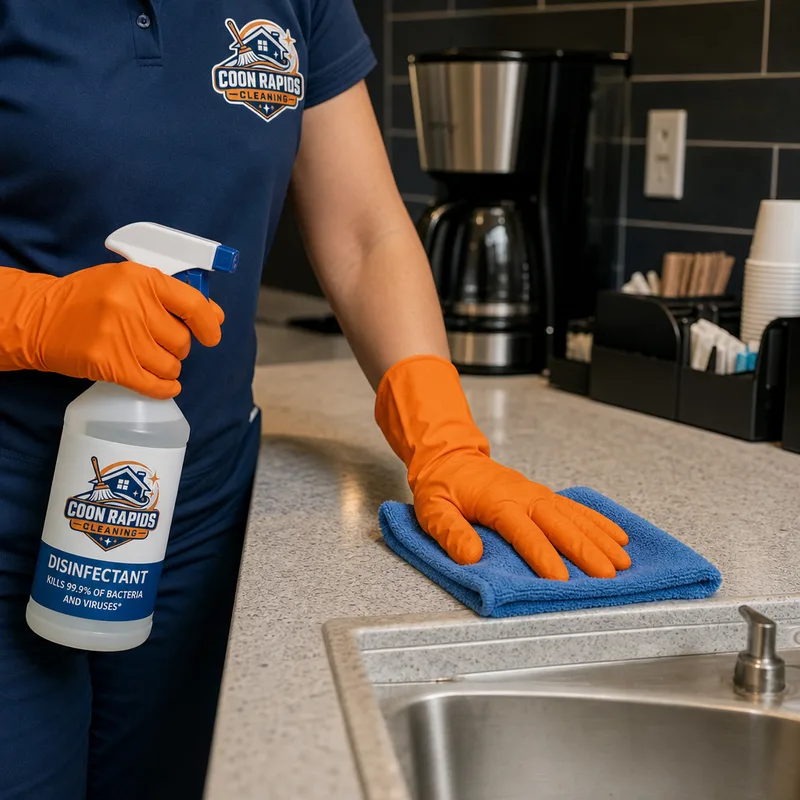
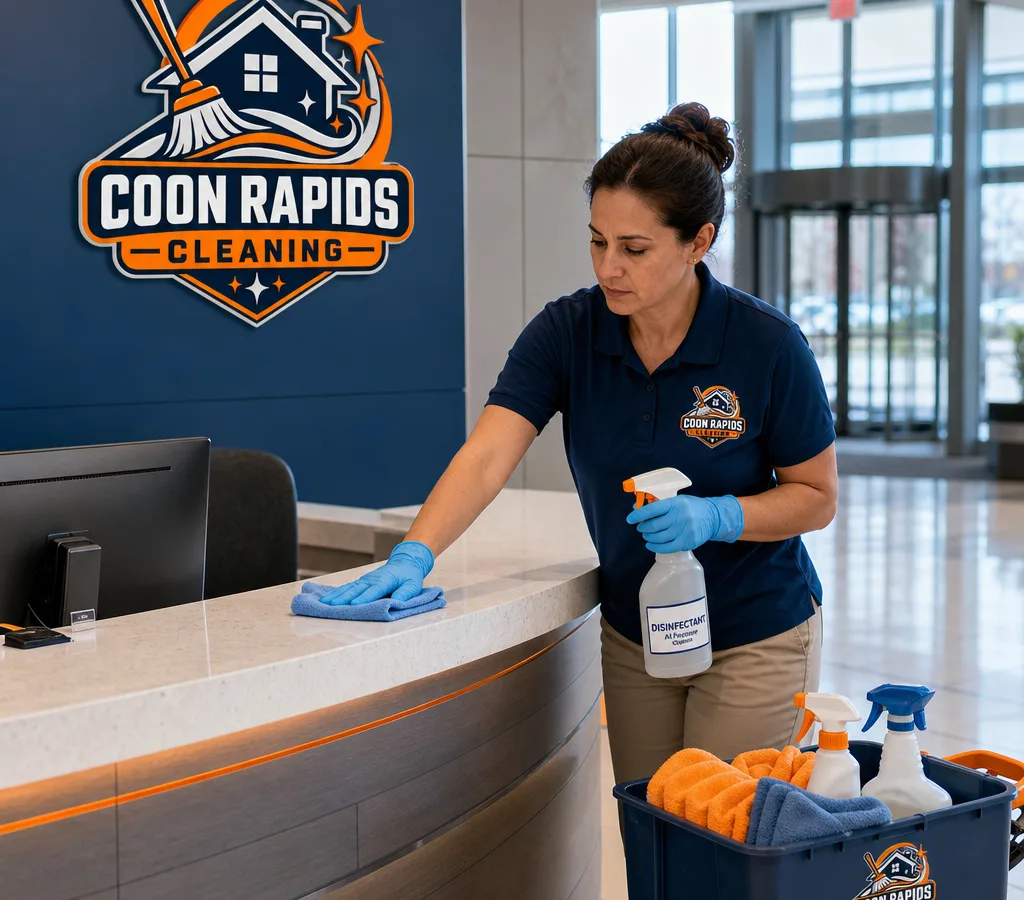
Industrial work reaches overhead dust, concrete, and dock areas, along with the break rooms and offices attached to the same building, all of it scheduled around production.

Nobody wants cleaning to cost them a shift, which is where most of these questions begin. Machines, loaded racking, concrete, and waste handling come up next.
Not usually. Most of this work is scheduled into a window you already have: a weekend, a planned maintenance shutdown, or the hours between shifts. Where a specific area has to be clear for overhead work, we agree it in advance and size the scope to finish inside the time available.
No. Crews clean the floor, the structure, and the exterior surfaces around equipment, and they do not open guarding, isolate power, or touch anything that calls for a maintenance technician. If a machine needs internal cleaning or isolation first, your team handles that step and we work after it.
Partly. Upper beams, uprights, and the structure above stored product can be cleaned with the right access equipment and drop protection, but anything that needs product moved has to be coordinated with your warehouse team. We scope those bays separately so the quote reflects the real access.
Sealed and unsealed concrete respond differently, so the pad and the solution are matched to what is actually on the floor. Scrubbing lifts the grit and oil film that mopping pushes around, and aisles that have gone gray usually come back several shades on the first pass.
It tracks what the building makes or moves and how much dust the process throws. Distribution space tends to need overhead work on a long cycle and floors on a short one, while any operation that cuts, grinds, or bags material needs the high surfaces far more often than that.
Crews bag the debris the cleaning generates and move it to the dock or container you point us toward. Disposal of process waste, chemicals, or anything regulated stays with your site, since that routing belongs to your own program and we do not take those materials off site.
Send us the building, the window you can give a crew, and your site requirements, and we will walk it with your lead and quote the scope in writing.
Request a quote
Send the details and we will come back with a written scope and a price.